
When Your Car Doesn't Start After You Leave It Parked For A FewDays
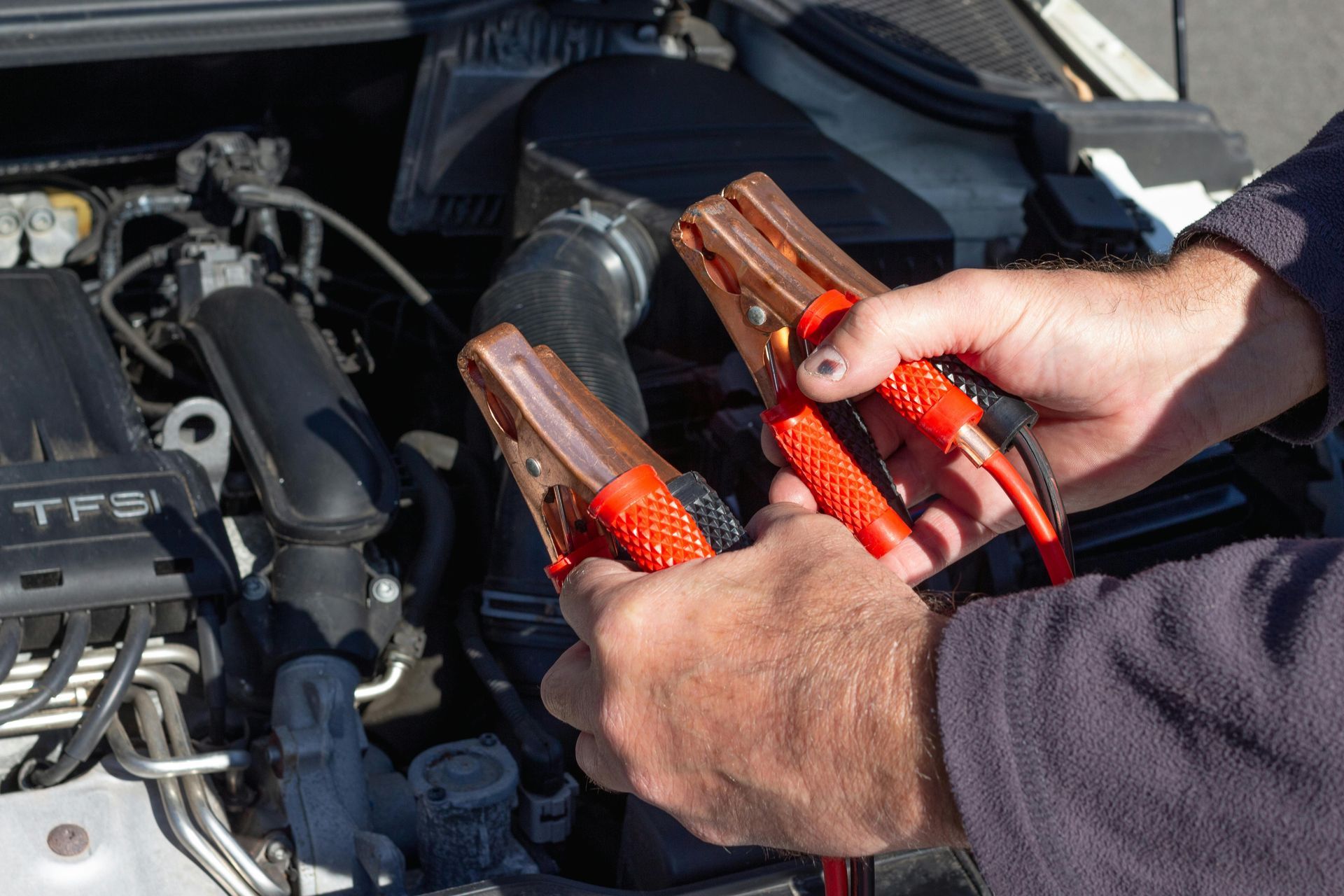
At Tolima's Auto Center in Long Island City, Queens, we frequently help Chevy truck owners frustrated by batteries that die after just a few days of sitting idle. If your Silverado, Sierra, Tahoe, or similar GM model from 1999-2007 (or even some 2014s) experiences this, a common culprit is parasitic battery draw from the gauge cluster—also known as the instrument panel cluster (IPC). This issue causes ongoing power consumption even when the truck is off, leading to a dead battery. Below, we'll simply explain what causes it, the key symptoms, and why professional help is essential.
What Is Parasitic Battery Draw in Chevy Trucks?
Parasitic draw refers to small, constant electrical usage that drains your battery when the vehicle isn't running. In Chevy trucks, the gauge cluster should power down fully after shutdown, but faults keep it partially active, pulling excessive current (often 210-600 mA instead of the normal 15-30 mA). This can flatten a battery in 1-7 days, affecting models like the Silverado, Avalanche, Suburban, Yukon, and Escalade.
Common Causes of Gauge Cluster Parasitic Draw
These problems stem from design and wear issues in GM clusters:
- Silver Migration on Circuit Boards: Corrosion-like growth (dendritic growth) on the board, often from lead-free solder in Mexican-built units, creates shorts that prevent shutdown. It's prevalent in 2003-2006 models and worsens with age or moisture.
- Cold Solder Joints and Faulty Components: Degraded connections on resistors, capacitors, or pins lead to power leaks. Stepper motors for gauges or vacuum fluorescent displays (VFDs) for odometer and gear indicators can fail to sleep.
- Data Bus Communication Issues: In 1999-2002 models, the Class 2 data bus sends unintended signals, keeping the cluster awake due to wiring faults or security triggers.
- Ignition and Wiring Problems: Power leaks from ignition wires to constant-hot ones, or loose harnesses behind the dash, maintain unwanted activity.
- Other Internal Failures: Shorts in relays, persistent backlighting, or links to systems like wipers or radios contribute to the draw.
Key Symptoms of a Faulty Gauge Cluster
Watch for these signs that point to the cluster as the source:
- Battery dies quickly (1-7 days) despite a good alternator or new battery.
- Erratic gauges: Needles stick, move unexpectedly, or fuel levels change after shutdown.
- Digital displays dim, flicker, or show odd patterns like squiggly lines on the odometer or PRNDL.
- Dash lights linger after key removal, or the cluster activates randomly.
- Strange behaviors such as horn activation during charging, sudden wiper movement, or issues tied to wire movement.
- Scrolling text on the driver information center (DIC) or false security warnings.
Why Professional Repair Matters
Addressing gauge cluster issues often involves cleaning corrosion, resoldering components, adding relays to cut power, or full rebuilds/replacements. Rebuilds provide warranties, ensuring a lasting fix without mileage reprogramming hassles.
In our experience, gauge cluster parasitic draws tend to be the most common issue for why Chevy truck batteries go dead after leaving the vehicle parked for a few days. For proper diagnosis and repair, bring your truck to Tolima's Auto Center in Long Island City, Queens—our team will resolve it efficiently. Contact us today!